Understanding Your Lease Agreement
Before we dive into the nitty-gritty, it's worth noting that the terms of your lease play a crucial role in determining whether your landlord can evict you for renovations. Your lease agreement outlines the rights and responsibilities of both parties, and can serve as a key piece of evidence if any disputes arise. It's essential to read and understand this document fully before signing, as it may contain clauses that directly address eviction for renovations. If you're unsure about any sections, don't be afraid to ask for clarification or seek legal advice.
Eviction Laws and Regulations
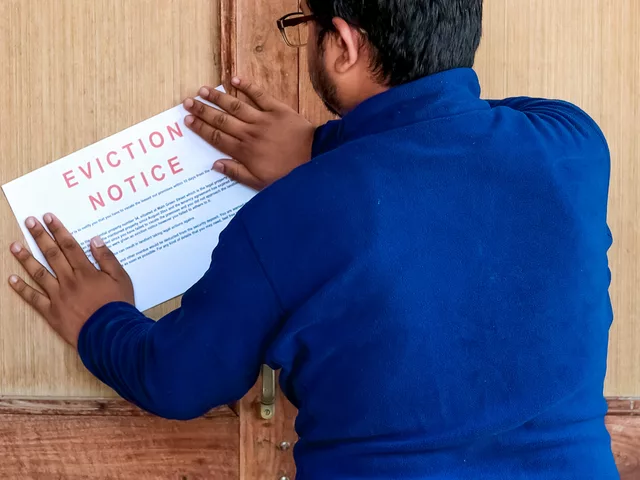
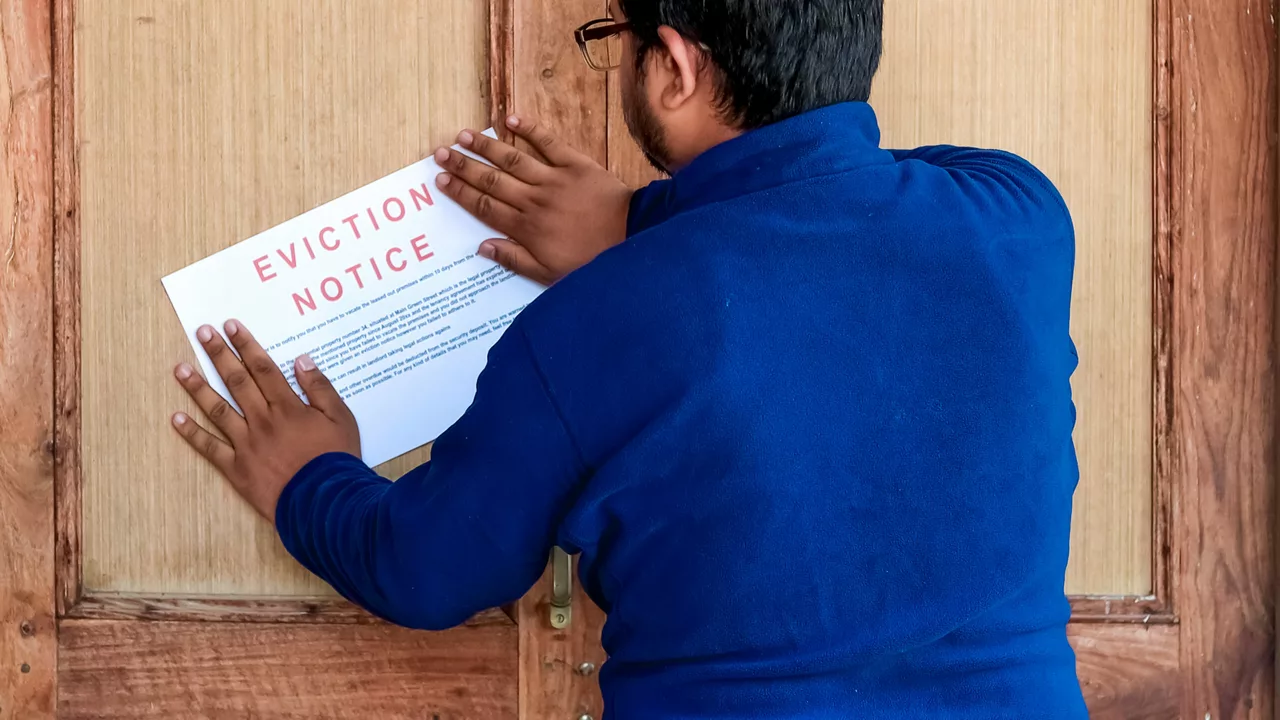
Eviction laws vary from place to place, so it's important to familiarize yourself with the regulations in your area. While some jurisdictions may allow landlords to evict tenants for renovations, others may require landlords to provide alternative accommodations or compensation in such cases. In many places, landlords are required to provide a significant notice period before they can evict a tenant. Additionally, some jurisdictions have specific laws protecting tenants from eviction based on age, disability, or other protected characteristics.
The Renovation Process
Understanding the renovation process can be a key factor in determining whether your landlord can evict you. Major renovations that require the property to be vacant for safety reasons may warrant an eviction, while minor repairs or updates can often be performed with the tenant still in residence. It's worth noting that in many jurisdictions, landlords are required to schedule renovations in a way that minimally disrupts the tenant's quiet enjoyment of the property.
Landlord's Obligations
Even if your landlord has a valid reason for evicting you, they still have certain obligations to fulfill. These may include providing adequate notice, offering alternative accommodations, or compensating you for any inconvenience caused. Failure to meet these obligations can potentially be grounds for a legal challenge. It's important to remember that as a tenant, you have rights, and your landlord cannot simply throw you out on a whim.
Your Rights as a Tenant
Tenants have rights, and it's crucial to understand what those are in order to protect yourself. Even if your landlord plans to carry out renovations, you may be entitled to stay in the property until the end of your lease term. In some cases, you may even have the right to return to the property once the renovations are complete. If you believe your rights are being violated, it's worth seeking legal counsel.
Resolving Disputes
If you believe your landlord is evicting you unjustly for renovations, it's important to communicate your concerns clearly and assert your rights. If this doesn't resolve the issue, you may need to take further action. This could involve filing a complaint with a local housing agency or seeking legal action. Remember, it's crucial to keep a record of all interactions with your landlord in case you need to provide evidence of any wrongdoing.
Preventing Eviction
Prevention is always better than cure. To avoid being evicted for renovations, consider discussing any planned renovations with your landlord before renewing your lease. If renovations are imminent, you could try negotiating terms that allow you to stay in the property, or at least provide you with suitable alternative accommodations. Always ensure that any agreements are put in writing to protect both parties.
Seeking Legal Advice
If you're unsure about your rights or need assistance with a dispute, it's always a good idea to seek legal advice. Legal professionals specializing in tenant law can provide guidance and representation, ensuring your rights are protected. Keep in mind that in many jurisdictions, legal aid may be available for those who cannot afford a private attorney.