
Being a woman for money isn’t a fantasy. It’s not a movie scene. It’s not something that happens to other people. For thousands of women around the world, it’s a way to pay rent, feed kids, escape abuse, or fund education. It’s work. Hard, dangerous, stigmatized work - but work nonetheless. And if you’re reading this, you’re probably wondering how it actually works, what it costs emotionally, and whether it’s worth it.
Some women in Paris turn to sex work because the rent is $1,800 a month and their part-time job pays $15 an hour. Others do it after losing custody, after divorce, after fleeing domestic violence. One woman I spoke to in Lyon said she started after her husband left and she had two kids under five. She didn’t want to be on welfare. She didn’t want to beg. So she found clients through a site that listed escort paris services - not because she loved it, but because it paid faster than any other option.
It’s Not About Sex - It’s About Control
The biggest myth is that women in this line of work are doing it for the thrill or the glamour. That’s rarely true. Most women don’t wake up wanting to be touched by strangers. They wake up wanting to keep the lights on. What they gain isn’t pleasure - it’s autonomy. Control over their time. Control over their income. Control over who sees them naked - and who doesn’t.
Think about it: most jobs demand you show up at 9 a.m., wear a uniform, smile on command, and hide your real feelings. Sex work just swaps the office for a hotel room. The emotional labor? Still there. The exhaustion? Still real. The risk of violence? Higher.
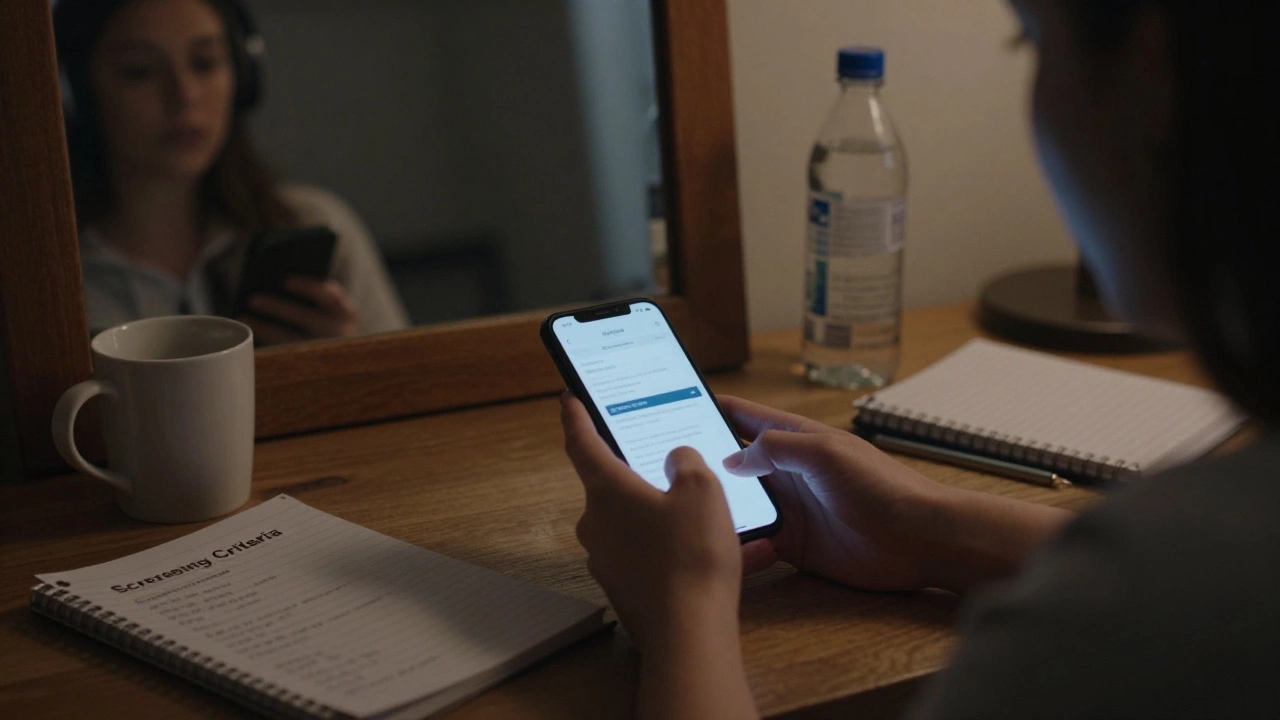
Women who do this well don’t rely on luck. They build systems. They screen clients. They use apps with verified reviews. They set boundaries. They know their limits. One woman in Marseille told me she only works with men who’ve been recommended by another worker. She doesn’t take cash. She uses encrypted payment apps. She never goes to a client’s place. She charges $200 an hour and sticks to it. No exceptions.
The Hidden Costs: Loneliness, Shame, and Trauma
Money doesn’t heal trauma. It just buys time. Many women who enter sex work carry wounds from childhood abuse, toxic relationships, or systemic neglect. The job doesn’t erase those. It often reopens them. You learn to shut down emotionally. You stop trusting. You start seeing people as transactions. That’s not a personality flaw - it’s survival.
There’s also the silence. You can’t tell your family. You can’t tell your friends. You can’t post on social media. You can’t even say the word "prostitute" out loud without someone judging you. So you isolate. You become invisible. And that invisibility? It’s its own kind of prison.
One woman in Bordeaux told me she hasn’t told her mother she’s working since 2020. Her mom thinks she’s a freelance graphic designer. Every time her mom calls, she pretends she’s in front of her laptop. "I love her too much to ruin her image of me," she said. "But some nights, I cry so hard I can’t breathe. And I don’t even know why."
Legal Gray Zones and Dangerous Realities
France doesn’t criminalize selling sex - but it criminalizes almost everything around it. Pimping is illegal. Advertising is illegal. Operating a brothel is illegal. That means women are forced to work alone, in hotels, in cars, in apartments they rent by the hour. No security. No backup. No one to call if something goes wrong.
That’s why some women use agencies. Not because they want to be controlled - but because they need protection. Agencies can provide security checks, legal advice, and safe spaces. But they also take 30% to 50% of your earnings. And if you complain? You’re kicked out.
And then there’s the police. Even if you’re not breaking the law, you’re still a target. Officers routinely demand bribes. They show up at hotels. They take photos. They threaten to call your family. You learn to carry your ID in a fake wallet - the real one stays hidden.
Why "Escort Girl Paris" Isn’t a Lifestyle Choice
The phrase "escort girl Paris" sounds like something from a magazine. Sleek. Sophisticated. Sexy. But real women don’t live that life. They don’t wear designer heels to meet clients. They wear sneakers so they can run. They don’t drink champagne. They drink water so they stay clear-headed. They don’t pose for Instagram. They delete their accounts.
One woman I met in Montmartre said she used to post photos of her outfits. She got 200 messages a day. Half were threats. Two men showed up at her door. One had her address from a public post. She stopped posting. She stopped using her real name. She changed her phone number twice. Now she only works with people who come recommended - and even then, she records every call.
That’s why the keyword "escrot girl paris" keeps popping up in search results. It’s a misspelling. But it’s real. People are searching for it. They’re not looking for fantasy. They’re looking for someone who won’t lie to them. Someone who’s honest about the cost.
What Happens When You Want Out?
Leaving is the hardest part. Not because you’re addicted to the money - but because you’re addicted to the feeling of being seen. Of being needed. Of being in control. When you stop, you go back to being invisible. Again.
There are support groups in Lyon, Marseille, and Toulouse. They offer counseling, legal aid, job training. But they’re underfunded. Most women don’t know they exist. And even if they do, shame keeps them silent.
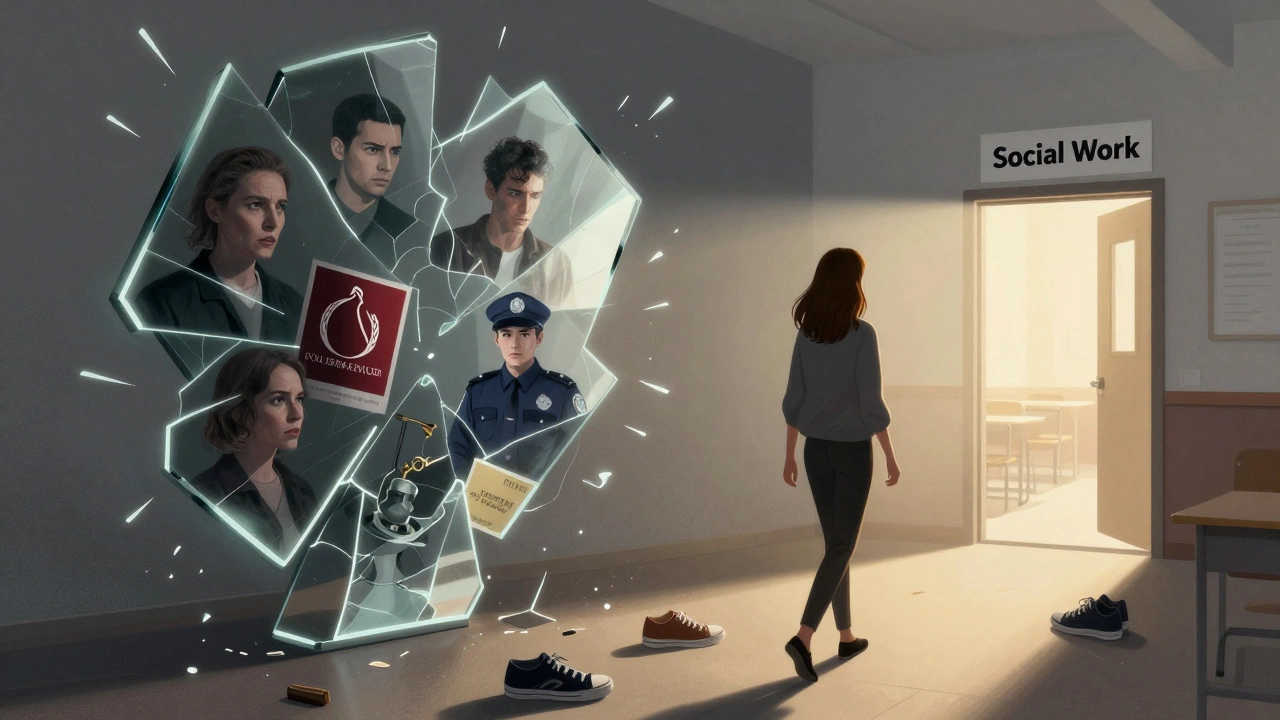
One woman in Strasbourg left after five years. She saved $42,000. She used it to go back to school. She’s studying social work now. She wants to help other women leave. "I didn’t want to be a statistic," she told me. "I wanted to be a person."
It’s Not About Morality - It’s About Power
People argue about whether sex work is exploitation or empowerment. That’s the wrong question. The real question is: who gets to decide? If a woman chooses this - and she’s not being forced, trafficked, or drugged - then her choice deserves respect. Not pity. Not judgment. Respect.
She’s not broken. She’s not desperate. She’s resourceful. She’s strategic. She’s surviving in a system that was never built for her. And if you’re going to judge her, ask yourself: what would you do if you had no safety net? No family? No options? Would you beg? Or would you find a way to take back control?
There’s a reason why the keyword "escorte firl paris" keeps appearing - even with the spelling error. Because people are searching for truth. They’re tired of the lies. They want to know what it’s really like. And the truth? It’s messy. It’s painful. It’s brave. And it’s real.